Lynda Sinclair: A Handwritten Font That Elevates Handmade Products
If you create physical products for a living or as a passion side hustle, you know that typography can make or break a design. The right typeface does more than spell out a word — it sets a mood, communicates quality, and helps customers remember your brand. I have tested many script fonts over the years, and Lynda Sinclair stands out as a handwritten font that blends elegance with real usability. Its graceful curves, delicate flourishes, and natural flow give it a feminine charm that works beautifully across all kinds of craft projects.
I want to walk you through exactly how this font can become a reliable tool in your shop, whether you sell on Etsy, at craft fairs, or through your own website. We will look at practical applications, readability considerations, pairing ideas, and the details that matter when you are producing physical goods.
The Visual Personality of Lynda Sinclair
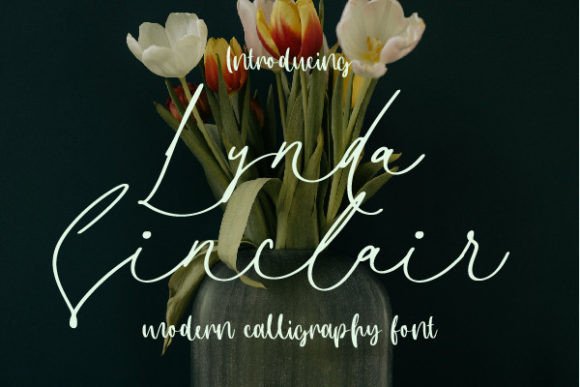
Lynda Sinclair is a stylish handwritten script font with an airy, romantic feel. The letterforms are connected with smooth transitions, and each character carries a subtle slant that adds movement. What I appreciate most is the balance between elegance and legibility. Some script fonts lean so heavily into decoration that they become hard to read at small sizes. Lynda Sinclair avoids that trap. The swashes and flourishes are present but never overwhelming, which means you can use it for both statement pieces and more subtle applications.
The font has a modern calligraphy vibe without being overly formal. It feels approachable — like something a talented friend might write by hand. That warmth is exactly what sells in the handmade market today. Customers are drawn to products that feel personal and crafted with care, and Lynda Sinclair delivers that impression instantly.
Practical Craft Applications for Your Shop
Over the past few months, I have used Lynda Sinclair in several product categories, and it has performed well in each. Here are some of the most effective ways to put this font to work in your own business.
Labels and Packaging
Product labels are one of the first places customers notice typography. Whether you sell candles, bath products, food items, or handmade soap, the font on your label tells a story. Lynda Sinclair works wonderfully for ingredient lists on the back of a label when kept at a readable size, but it truly shines on the front. I used it for a line of lavender candles, and the elegant curves of the font matched the product aesthetic perfectly. The font also works well for boutique tags, hang tags on clothing, and gift tags. The swashes can be used sparingly on tags for an extra touch of luxury.
Invitations and Stationery
This is where Lynda Sinclair feels right at home. Birthday invitations, bridal shower cards, wedding stationery, and save-the-dates all benefit from a font that feels both personal and polished. I designed a set of wedding invitation templates using Lynda Sinclair for the couple names and the main event wording. Paired with a simple serif font for the details, the result was elegant without being fussy. The font also works well for greeting cards — think birthday cards, thank you notes, and sympathy cards. The handwritten quality makes each card feel like it was penned just for the recipient.
Home Decor and Signs
Farmhouse signs, wall art prints, and decorative plaques are popular categories on craft marketplaces. Lynda Sinclair gives these items a refined, handmade look. I have used it for framed quote prints and wooden signs with short phrases like "Gather" or "Bloom Where You Are Planted." The font is especially effective on SVG-style designs for cutting machines. When I cut the lettering from vinyl for a tote bag or a wooden sign, the swashes and tails cut cleanly without losing detail. Just be sure to size the design appropriately so that thin strokes remain intact during cutting.
Mugs, T-Shirts, and Tote Bags
If you sell printed merchandise, Lynda Sinclair is a strong choice for short text. Names, single words, and short phrases work best. I tested it on a series of mugs with inspirational quotes, and the font held up well in the mug press. For apparel, the font gives a boutique feel to t-shirts and tote bags. It is also an excellent choice for personalized items, such as custom name mugs or monogrammed towels. The letters connect naturally, so the final product looks like a seamless handwritten design rather than a collection of separate characters.
Digital Printables and Planners
For those of you who sell digital downloads, Lynda Sinclair is a valuable asset. Printable wall art, planner pages, sticker sheets, and journal covers all benefit from a font that reads well at various sizes. I have used it for weekly planner headers and decorative sticker sheets, and it remains readable even when scaled down for small stickers. The font also works for digital product mockups; a well-chosen font can elevate a mockup and help customers visualize your final product.
How Lynda Sinclair Affects Product Presentation and Perceived Quality
Typography is a silent salesperson. When a customer picks up a product, the font is one of the first things they process. A cheap or generic font can lower perceived value, while a thoughtful, well-crafted typeface like Lynda Sinclair suggests care and quality. In my own shop, switching to this font for my label designs resulted in noticeably more positive feedback from buyers. They described the products as "elegant" and "thoughtfully designed." That kind of response is exactly what small shop owners need to build a loyal customer base.
The font also helps with brand consistency. If you use Lynda Sinclair across your product labels, packaging, social media graphics, and website headers, customers begin to associate that handwritten style with your brand. Over time, they will recognize your products at a glance, which is invaluable for building recognition on crowded marketplaces.
Readability and Practical Advice for Physical Production
No matter how beautiful a font is, it must remain readable in your chosen application. Lynda Sinclair is a display script font, which means it performs best at medium to large sizes. I recommend using it for headlines, names, titles, and short phrases rather than long paragraphs. For labels, keep the point size above 12 or 14 for readability. When cutting with a machine, pay attention to the thin strokes in the swashes. Test a small sample before cutting a large batch, and adjust the cut settings if necessary. For vinyl projects, a weeding tool with a fine tip helps preserve delicate details.
On printed materials like cards and stickers, the font prints clearly at sizes down to about 10 points, but I always test a proof before running a full print run. The ligatures and alternate characters add to the natural flow, so be sure to explore the full character set in your design software. Using the right alternate can make a phrase look truly handwritten rather than typed.
Font Pairing Ideas for a Cohesive Look
Pairing Lynda Sinclair with a clean sans serif font creates a balanced design that feels both elegant and modern. For wedding invitations or formal stationery, I pair it with a simple serif font for body text. The contrast between the flowing script and the structured serif gives the design depth without competing for attention. For product labels, a light sans serif in all caps works well for ingredient lists or small print. On social media graphics, I sometimes pair Lynda Sinclair with a bold display font for contrast, but I keep the script font as the main focus since it carries the emotional weight of the design.
One pairing that consistently works is Lynda Sinclair with a minimalist sans serif like Montserrat or Open Sans. The neutral sans serif lets the script shine while keeping the overall design grounded. For a more rustic or farmhouse feel, combine it with a textured serif. The key is to avoid pairing two expressive script fonts together — let Lynda Sinclair be the star.
Styles, Alternatives, and File Formats
When you download Lynda Sinclair, check what is included in the package. Many premium script fonts come with multiple stylistic sets, alternate characters, ligatures, and swashes. These extras are what allow you to customize the look of each word. For example, you might choose a swashed version of a capital letter for the start of a name or a tailed ending for the last letter. These small details make a big difference in the final product. Also verify the file formats included — OTF and TTF are the most common and work across design software like Adobe Illustrator, Photoshop, Canva, and Cricut Design Space. If the font supports multilingual characters, that is a bonus if you serve a diverse customer base.
A Note on Commercial Licensing
If you plan to use Lynda Sinclair for commercial purposes — selling physical products like mugs, shirts, signs, labels, or digital downloads like printables and templates — you must check the license agreement that comes with the font. Some fonts are free for personal use only and require a commercial license for selling products. Others offer a standard commercial license that covers physical goods but may have restrictions on digital products or template sales. Always read the fine print before using the font in client work or for resale. Investing in the proper license protects your business and respects the font creator’s work. When in doubt, reach out to the foundry or seller for clarification. It is a small step that saves you from potential legal issues down the road.
Lynda Sinclair has become one of my go-to fonts for projects that need a touch of elegance without sacrificing readability. Whether you are designing wedding invitations, labeling handmade candles, or creating digital planners, this font brings a polished, handcrafted feel that customers notice. Take the time to explore its alternates, test it at different sizes, and pair it thoughtfully with complementary typefaces. Your products will thank you, and your customers will too.