Clothes Font: A Romantic Script for Handmade Product Designs
I remember the exact moment I first tested Clothes on a candle label mockup. The brief was simple: a lavender soy candle, minimal ingredients, and a brand name that needed to feel warm and slightly nostalgic. I had tried three other script fonts that morning, and each one felt either too stiff or too casual. Then I dropped the name into a test layout using Clothes, and everything shifted. The characters seemed to lift off the baseline, leaning into one another like they were sharing a quiet secret. That is the magic of this typeface. It does not sit still. It dances, and in doing so, it transforms an ordinary product label into something that feels intentionally beautiful.
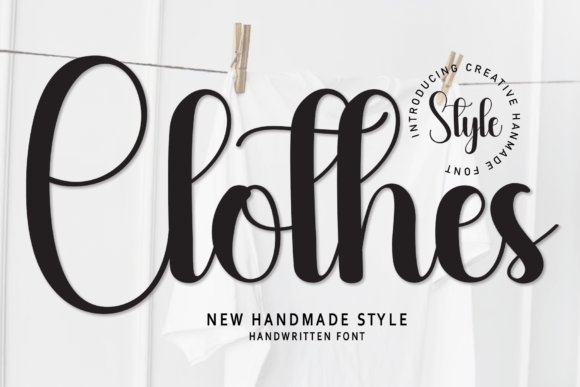
As a handmade seller and printable creator, I spend a lot of time thinking about how a font can carry the emotional weight of a product. A candle label is not just a piece of paper wrapped around glass. It is the first thing a customer sees when they pick up the jar. It sets the mood, the price expectation, and the perceived quality. Clothes, with its sweet, romantic calligraphy style, delivers that luxury spark without trying too hard. The letters are graceful but not fussy, elegant but still approachable. They feel handwritten in the best possible way, as if someone took a fine brush and carefully painted each character by hand.
Why Clothes Works So Well for Handmade Labels and Packaging
One of the first things I noticed about Clothes is how naturally it fits onto a product tag or a jar label. The dancing baseline gives the text a sense of movement, which is perfect for short phrases like bath soak, hand poured, or made with love. I have used it on kraft paper tags for my boutique soap line, and the contrast between the raw paper texture and the refined script creates a look that customers often describe as charming and high-end. It does not feel like a mass-produced sticker. It feels like a small piece of art.
If you sell handmade goods, you already know that packaging is part of the experience. Clothes helps you create that experience without needing a degree in graphic design. The font does the heavy lifting. Its swashes and ligatures add flourishes that make even a simple word like rose or linen look like a logo. I have used it on product labels for bath salts, body butters, and room sprays, and in every case, it elevated the presentation. Customers notice the difference. They may not say it in words, but they feel it when they hold a product that looks carefully crafted from every angle.
Bringing Clothes into Greeting Cards and Invitations
Greeting cards are one of my best-selling printable categories, and Clothes has become my go-to for romantic and heartfelt designs. I recently created a set of anniversary cards using the font for the main sentiment. The words you are my forever curved across the front of the card in a soft, flowing script that felt personal and intimate. I paired it with a clean sans serif for the interior message, and the combination worked beautifully. The script drew the eye first, and the simple sans serif provided a resting place for the longer text.
Wedding invitations are another natural fit. If you design invitation suites for clients or sell editable templates on your shop, Clothes can handle the couple names, the event title, and even the date with equal grace. I tested it on a mockup for a garden wedding invitation, and the word garden set in Clothes looked like it belonged on an heirloom seed packet. That vintage-meets-modern feel is hard to find in a single font, but Clothes delivers it consistently. For longer lines like ceremony at four o clock, I recommend keeping the text size generous and using the font sparingly so the dance of the characters remains readable and intentional.
Readability Tips for Stickers, Mugs, and Shirts
When you start printing Clothes on physical products like stickers, mugs, or shirts, readability becomes a practical concern. Script fonts can sometimes lose legibility at small sizes or when cut from adhesive vinyl. I have found that Clothes performs best when the text is at least 0.5 inches tall for sticker applications. For mug designs, a name or short phrase in Clothes looks stunning when applied with white or gold permanent vinyl. The key is to avoid overcrowding the design. Let the font breathe. A single word or a short line is where Clothes truly shines as a display font.
For cutting machines like Cricut or Silhouette, make sure to use the SVG-style outlines if your software supports them. The font includes multiple ligatures and alternates, which means you may need to access the full character set through a font panel or glyph palette. I always test a few letter combinations before cutting, especially if the word includes letters like ff or ll that can benefit from the built-in ligatures. Once you get comfortable with the alternates, you will find that Clothes gives you a surprising range of custom looks from a single font file.
Pairing Clothes with Other Fonts for a Cohesive Brand
No font works in isolation, especially when you are building a brand identity for your shop. Clothes pairs beautifully with a simple sans serif like Montserrat or Lato for a clean, modern contrast. I use this combination on my product tags: the product name in Clothes, and the ingredients or care instructions in a light sans serif. The contrast creates a clear visual hierarchy, and customers can quickly find the information they need while still enjoying the decorative appeal of the script.
For a more vintage or editorial feel, try pairing Clothes with a classic serif font like Playfair Display or Cormorant Garamond. This works especially well for printable wall art and framed quotes. I designed a set of farmhouse-style prints using Clothes for the main phrase and a serif for the attribution line, and the results looked like they belonged in a boutique home decor shop. The key is to keep the pairing simple. Clothes is already expressive, so the companion font should be neutral and supportive, not competing for attention.
Digital Printables, Planner Pages, and Template Previews
If you sell digital printables, Clothes is a valuable addition to your design toolkit. I use it for planner cover pages, motivational quote prints, and even weekly header designs. The font adds a handcrafted touch that digital products sometimes lack. When customers see a preview image with Clothes, they immediately associate the design with quality and care. That emotional connection can make the difference between a browse and a purchase.
For editable templates, make sure to include a note about font licensing. Clothes is a commercial font, which means you need a proper license if you are selling the final design files or printing the products for sale. Always check the included styles, alternates, ligatures, swashes, and file formats before you start your project. The font typically comes with OTF and TTF files, and some versions include Web Open Font Format for digital use. Multilingual support is also worth verifying if your customers or products serve an international audience.
Seasonal and Holiday Craft Applications
Holiday crafting is another area where Clothes excels. I recently designed a set of Christmas gift tags using the font for names like Noel, Joy, and Peace. The script gave the tags a personal, hand-lettered look that matched the warmth of the season. For Valentine's Day, Clothes is practically made for love notes and treat bag toppers. The romantic style pairs naturally with hearts, florals, and soft color palettes. I have also used it for Easter brunch menus, Mother's Day cards, and even Halloween party invitations where I wanted a whimsical, slightly vintage feel.
Seasonal products sell well when they look intentional, and Clothes helps you achieve that consistency across multiple holidays. You can use the same font for Christmas and Valentine's Day, just by changing the colors and supporting graphics. That kind of brand recognition is valuable for shop owners who want to build a loyal customer base. When shoppers see your designs year after year, and the typography feels familiar and beautiful, they are more likely to trust your quality and return for future purchases.
Final Production Notes for Your Shop
Before you start your next project, take a few minutes to explore all the characters and alternates that Clothes offers. Open the glyph panel in your design software and look for the swashes. Some letters have extended tails or decorative loops that can add a lot of personality to a single word. I always choose my alternates before I start laying out the full design, so I know exactly which characters will appear in the final product. This step saves time and prevents surprises during printing or cutting.
Commercial font licensing is straightforward, but it is important to read the terms carefully. If you are selling physical products like mugs, shirts, or candles with Clothes on them, make sure your license covers that use. The same applies to digital templates, printables, and SVG-style designs. A proper license protects both you and the font creator, and it ensures that you can continue using the font as your shop grows. I keep a folder on my computer with all my font licenses organized by foundry, which makes it easy to reference when I start a new product line.
Clothes is more than a font. It is a design asset that brings warmth, romance, and a sense of careful craftsmanship to everything you create. Whether you are labeling a candle, designing a wedding invitation, or printing your next best-selling wall art, the dancing characters of Clothes will help your products stand out and connect with the people who hold them.